



Turning Microaggressions Into Conversations
The Challenge:
Addressing Racism Without Preaching
Mississauga is one of Canada’s most diverse cities, with 62% of residents identifying as racialized and 53% as immigrants. At a time when global events were heightening racial tensions and hate crimes related to race, religion, and sexual orientation were on the rise, many residents felt these pressures deeply and personally.
The City saw an urgent need to strengthen safety, respect, and belonging across communities. But the challenge wasn’t just about addressing obvious hatred — it was about confronting something far more pervasive and difficult to pin down.
Hate crimes are easy to identify — we know what they look like. But what about microaggressions? Those seemingly small comments that accumulate like death by a thousand cuts, leaving targets wondering: “Did they mean to insult me?”
Microaggressions are insidious. When you’re subjected to them repeatedly, they carry the same weight as overt racism, but they’re harder to call out and often dismissed as oversensitivity.
So how do you communicate the harm of something many people don’t even recognize — in a way that actually changes hearts and minds?
The Strategy:
Provoke Thought, Not Defensiveness
We worked with the City’s communications team to create something provocative and attention-grabbing, but not preachy or judgmental. The goal was to make people stop and think from two perspectives: those who’ve been on the receiving end of racism, and those who might have said something hurtful without realizing the impact.
Striking the right tone was critical. Too heavy-handed, and people would tune out. Too light, and the message gets lost. We needed to balance an appeal to reason with an appeal to people’s hearts — sparking self-awareness without triggering defensiveness.
The Solution:
Wit as a Wake-Up Call
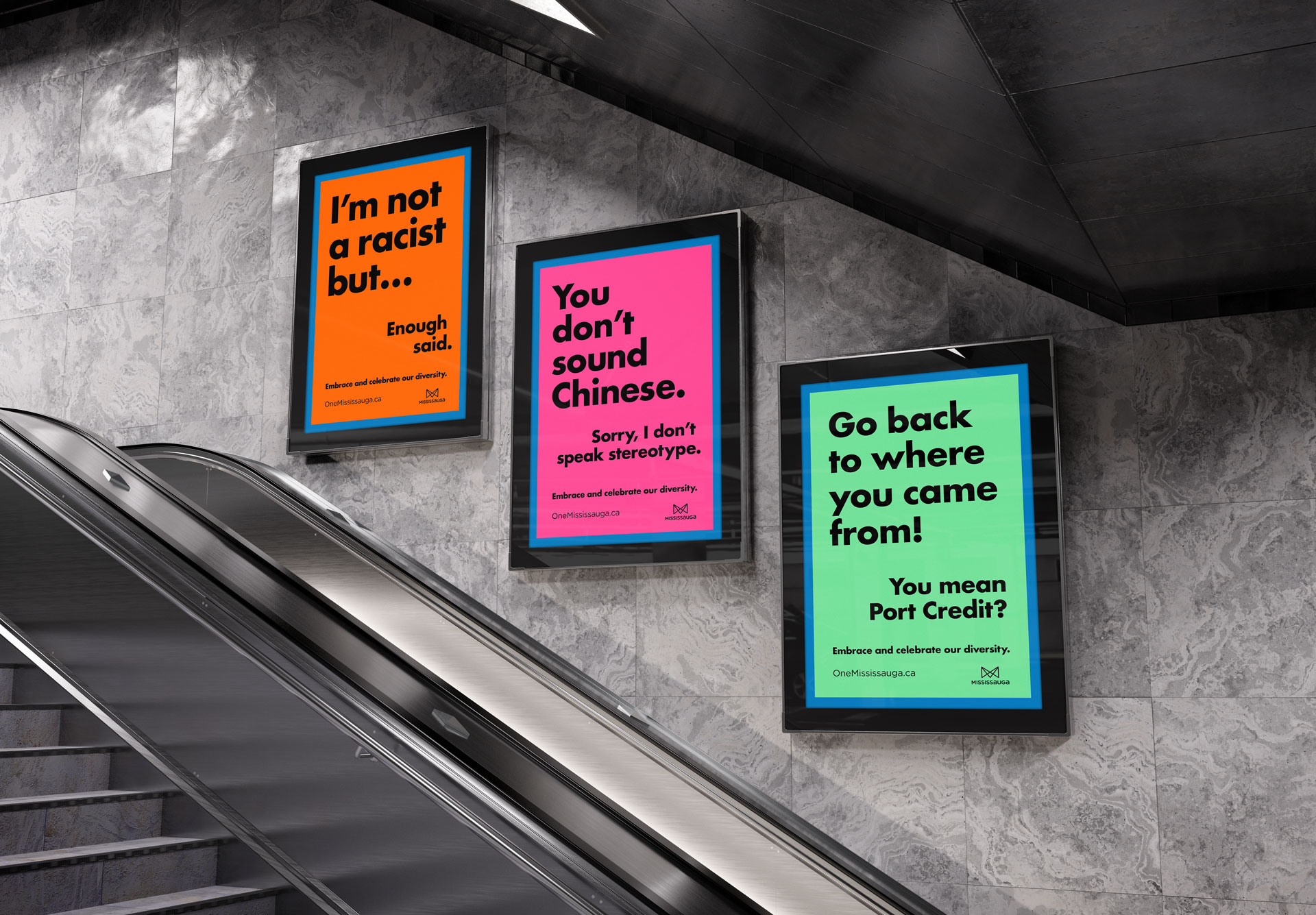
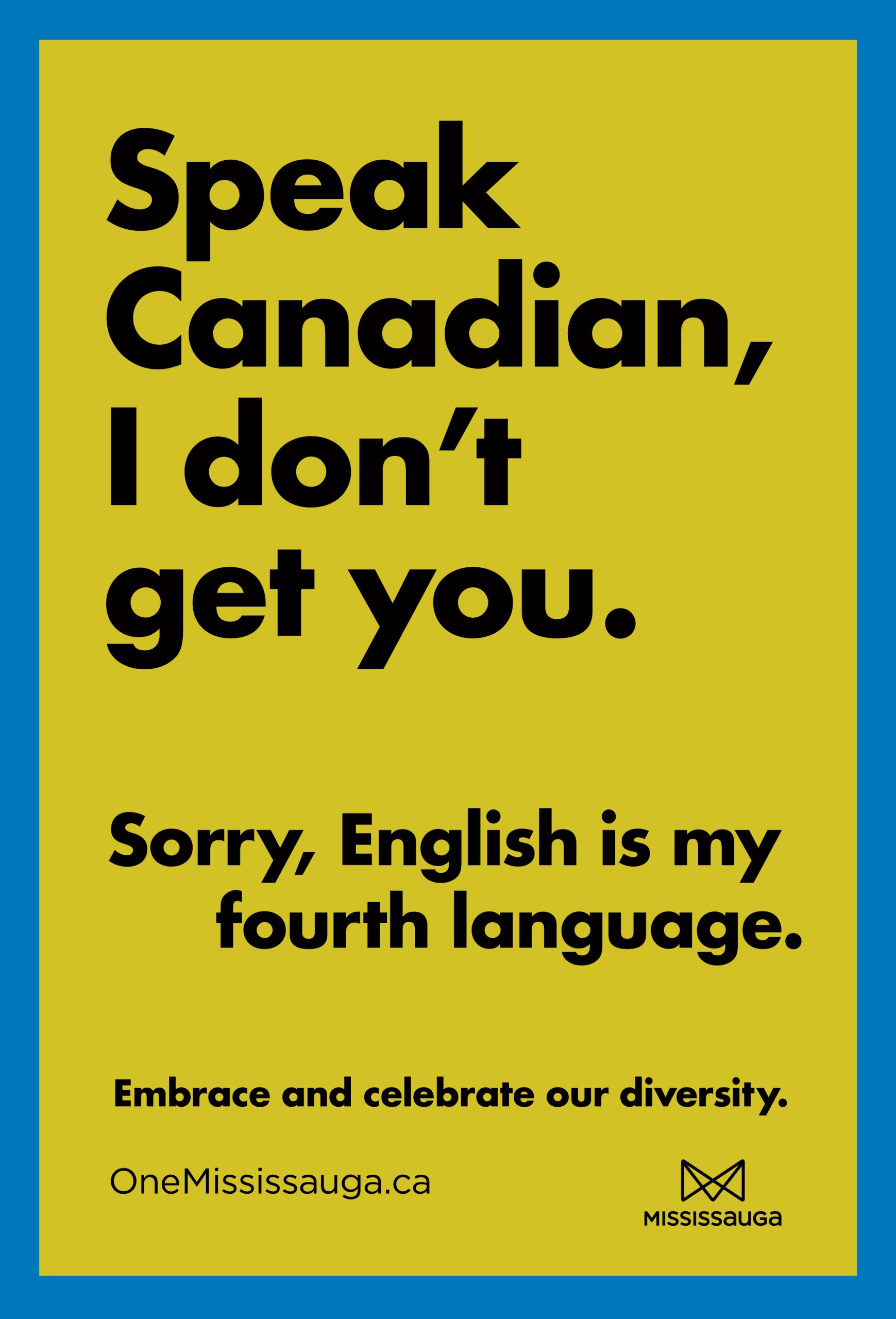
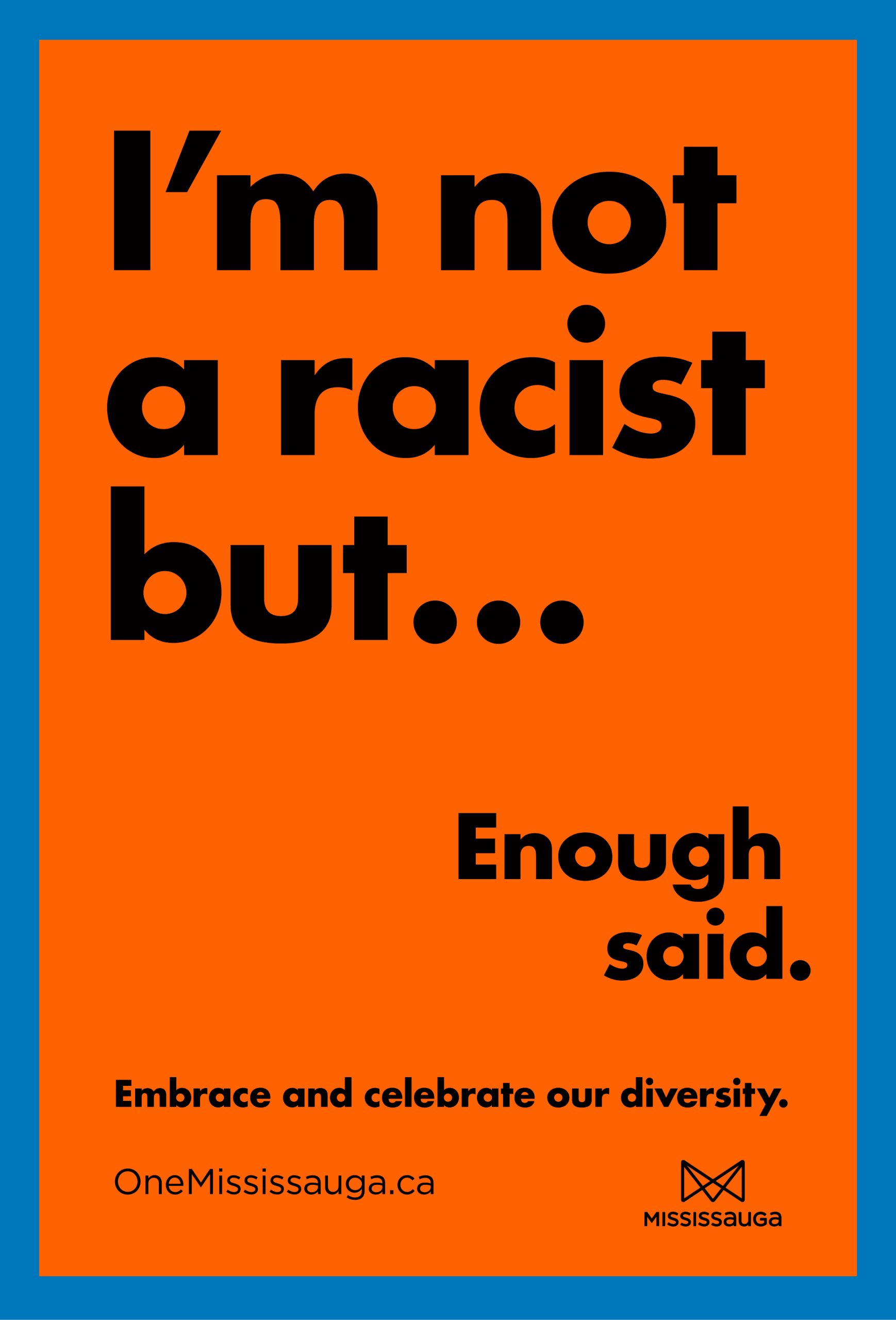
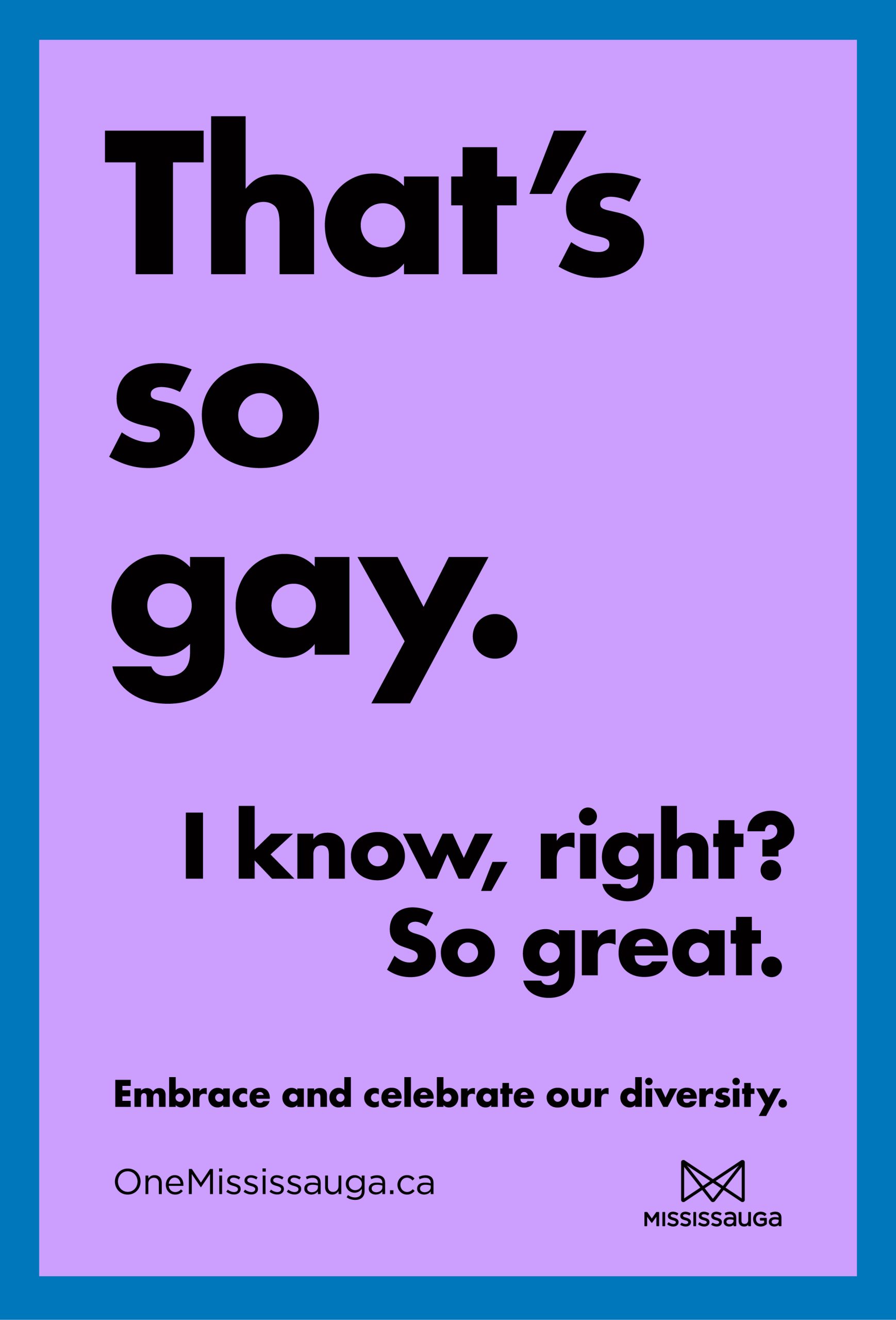
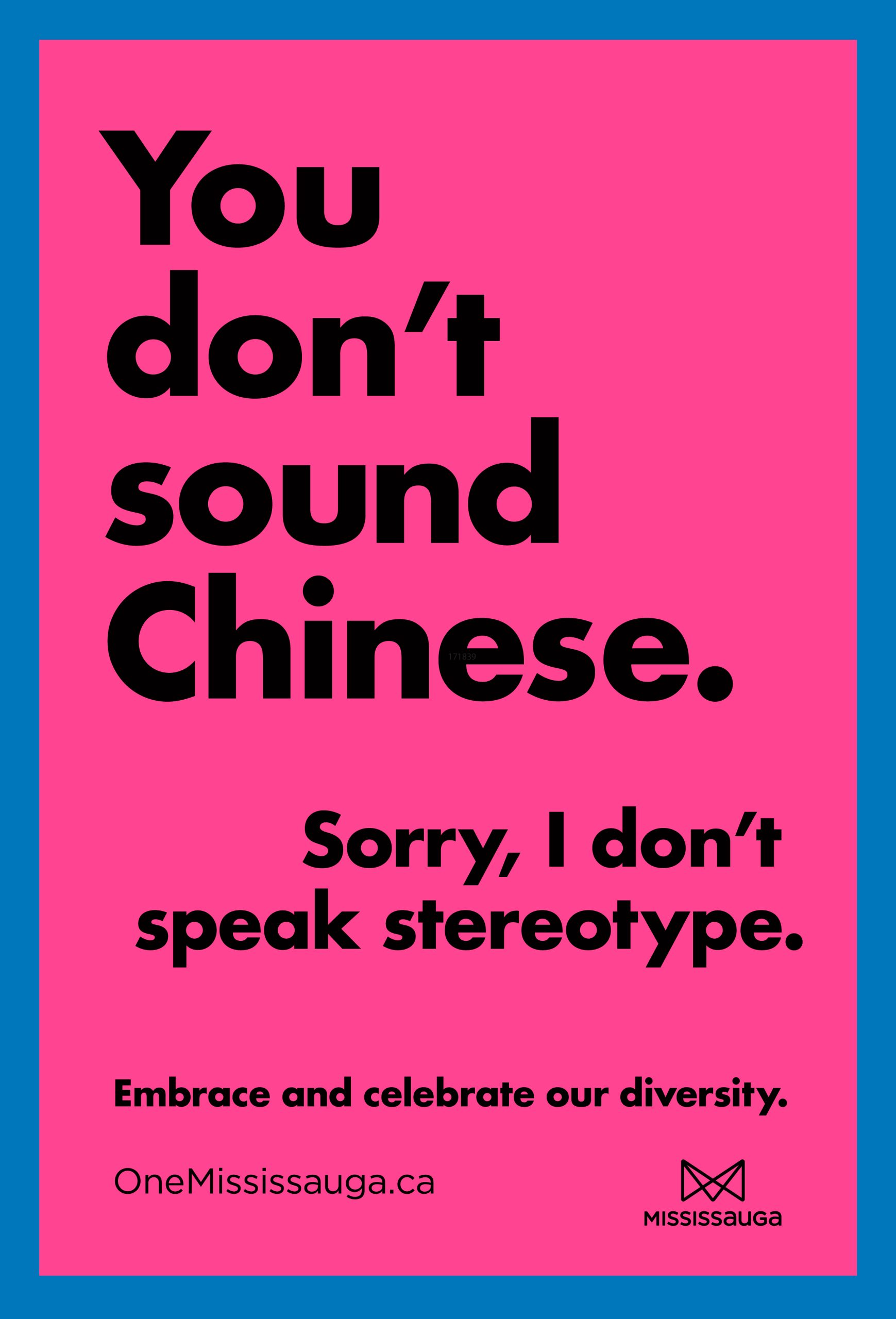
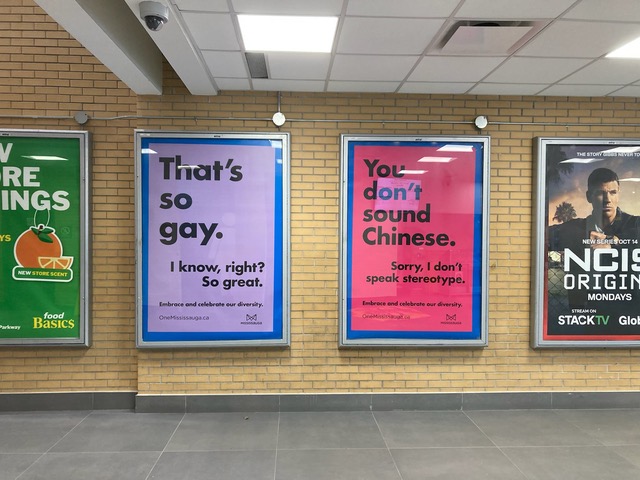
We created a series of posters that flipped common microaggressions into clever comebacks. Each poster presented a familiar racist remark paired with a witty response designed to expose the absurdity — and the harm — of the original comment.
The approach was bold, a little playful, and deliberately thought-provoking. By using humour to deflect harmful statements, we created moments of recognition — helping people see everyday interactions in a new light without sounding like a lecture.
The Impact:
Sparking Curiosity and Self-Reflection
The One Mississauga campaign tackled an uncomfortable subject in a way that felt approachable rather than accusatory. It gave voice to those who’ve experienced microaggressions while encouraging others to examine their own words and assumptions.
Getting the tone right on a campaign like this is always tricky — you risk offending people when you’re trying to get their attention. But by balancing provocation with thoughtful humour, we created a platform that sparked curiosity, encouraged self-awareness, and helped foster a more inclusive Mississauga — one conversation at a time.